

Speculative biology, personalized.
But Why?

Identity
In a world where originality is plagued by scarcity,
and individuality is lost among the masses,
developing a unique identity
is paramount to success.
Novelty
Innovation drives growth by offering unique solutions to market needs.
detail 1
detail 1
detail 2
detail 2
detail 2
detail 2
Introducing

FruitoType
2;0.5;0.1;0;0.05,0.15;1;0;0.5;1;0.5;0;5;3;7;2;0;
But how does it work?
Fruits never before seen.
Algorithmically crafted, unique to you.
Timeless, elegant, representative.
Brand identity of the future.
No AI, just biology.
Explore the capabilities:
Craft your brand identity.
Experiment with the possibilities.
Or just play around!
Custom Attributes
Shape, thickness, branches, and more.
Designed to be modular and expandable.
Forever adaptable, forever improving.
Easy to customize, easy to use.
Handcrafted Features

Human Traits
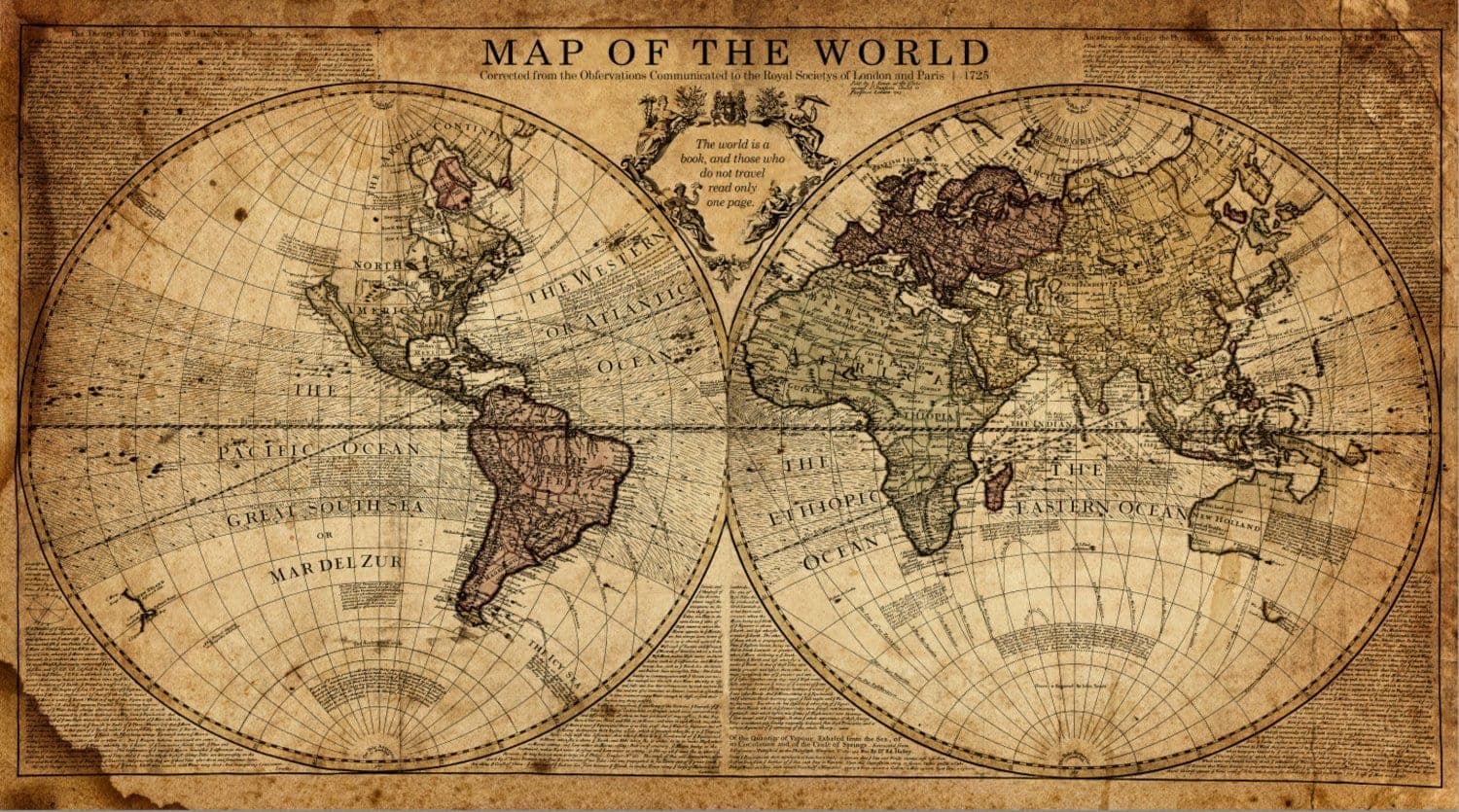
Map
Fruit Traits
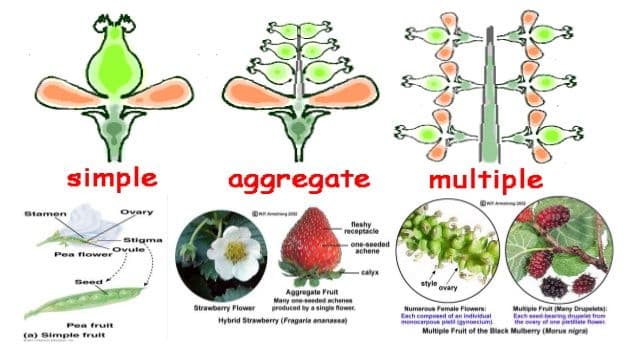
Fruit Type
The overall classification of the fruit based on its morphological characteristics and developmental origin. This determines the fundamental structure and growth pattern of the fruit.
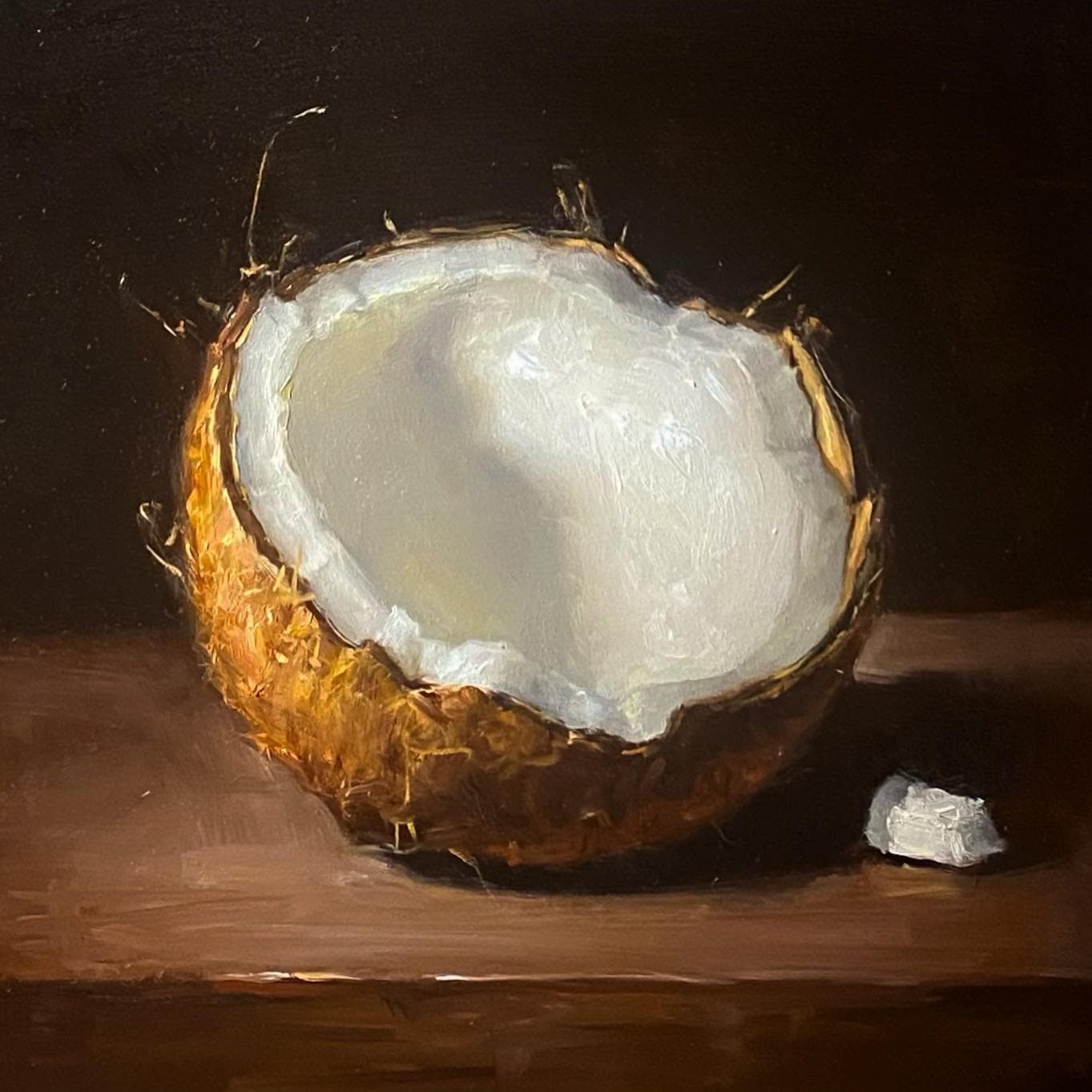
Exocarp
The outermost layer of the fruit's pericarp, commonly known as the skin or peel. It serves as a protective barrier against environmental factors and may contain various pigments, textures, and surface features.
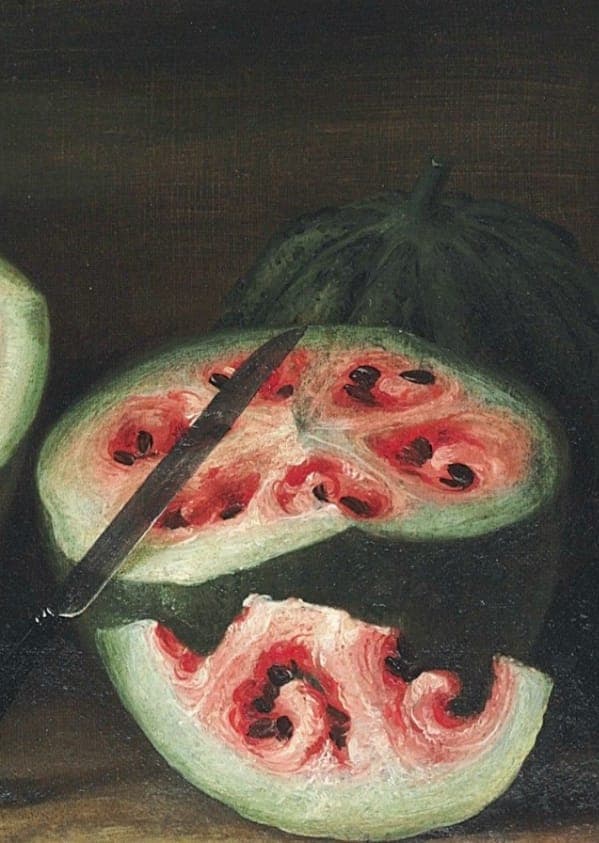
Mesocarp
The middle layer of the fruit's pericarp, typically the fleshy, edible portion. This layer often contains the majority of the fruit's water content, sugars, and other nutrients, contributing to the fruit's texture and flavor profile.
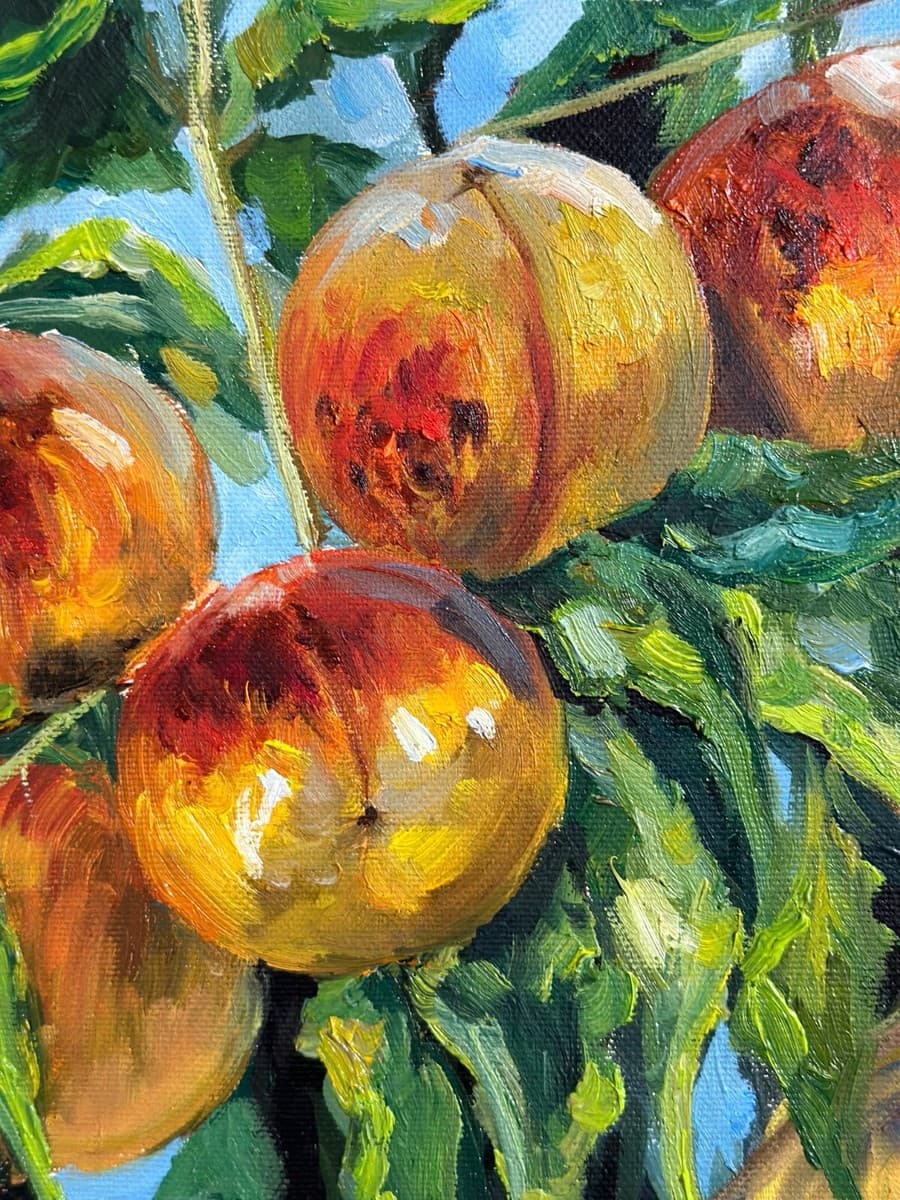
Endocarp
The innermost layer of the fruit's pericarp, which surrounds and protects the seeds. In some fruits, this layer can be hard and stony, while in others it may be thin and membranous.
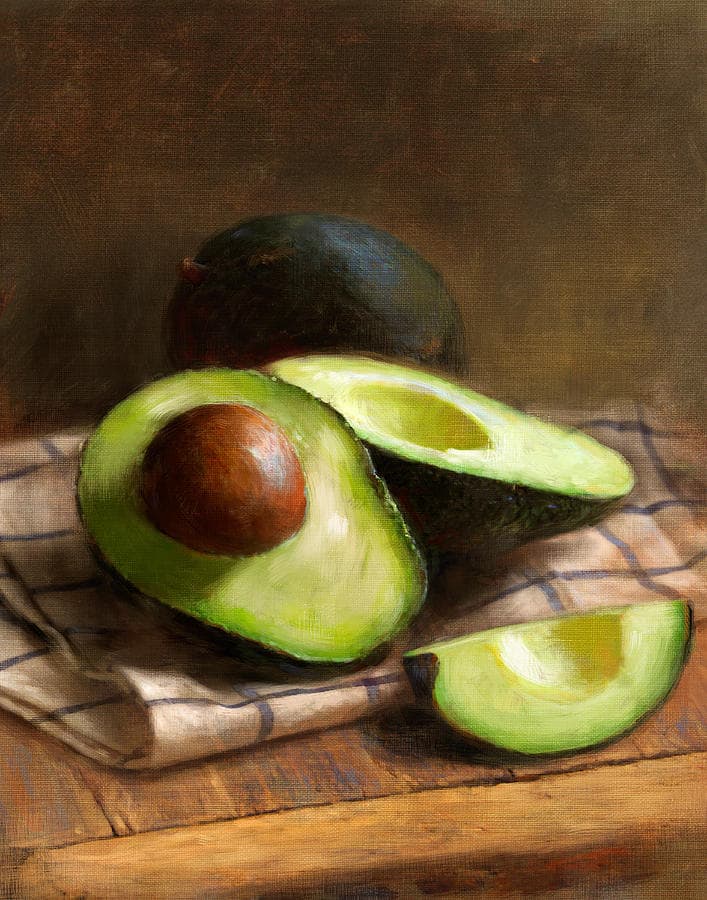
Seed
The reproductive structure containing the embryo and stored nutrients. Seeds vary greatly in size, shape, number, and distribution within the fruit, playing a crucial role in the plant's life cycle and dispersal mechanisms.

Random ID
A unique identifier assigned to each fruit specimen for tracking and analysis purposes. This allows for precise cataloging and reference in scientific studies and data collection.